Jonathan Dimbleby: A Powerful Voice of British Journalism
The authoritative journey of a British presenter who shaped political debate, history, and public broadcasting

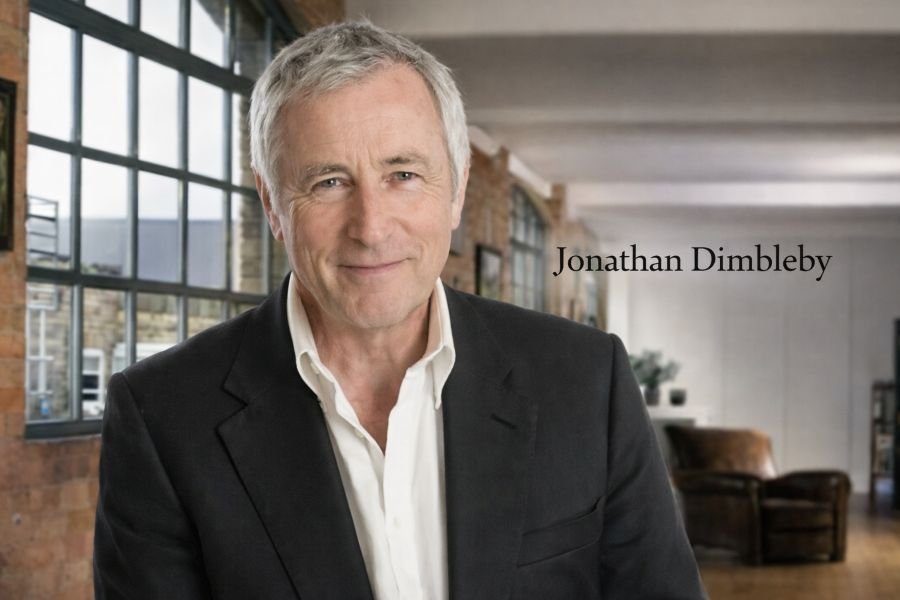
Table of Contents
ToggleIntroduction
Jonathan Dimbleby stands as one of the most influential figures in modern British broadcasting. Known for his calm authority, intellectual depth, and long-standing commitment to public service journalism, he has played a defining role in how political debate, global affairs, and modern history have been presented to audiences in the United Kingdom. As a British presenter, author, and historian, his career reflects both continuity and change in British media.
Over several decades, Jonathan Dimbleby earned a reputation for seriousness, independence, and credibility. While admired for his clarity and fairness, he has also faced criticism for being uncompromising and challenging, particularly in political interviews. This balance of respect and scrutiny is precisely what has made him a powerful and enduring presence in British public life.
Quick Bio
| Field | Details |
|---|---|
| Full Name | Jonathan Dimbleby |
| Date of Birth | 31 July 1944 |
| Age | 81 years |
| Birthplace | Aylesbury, Buckinghamshire, England |
| Nationality | British |
| Profession | British presenter, journalist, author, historian |
| Education | Charterhouse School; Royal Agricultural College; University College London |
| Known For | Political broadcasting, radio debates, historical documentaries |
| Years Active | 1969 – present |
Early Life and Family Background
Jonathan Dimbleby was born into a family deeply rooted in British broadcasting. His father, Richard Dimbleby, was a pioneering journalist whose work during wartime reporting left a lasting mark on British media. Growing up in such an environment meant that Jonathan was exposed early to the responsibilities and pressures of public communication.
This background shaped his sense of purpose and discipline. However, it also placed expectations upon him, creating a career path that required distinction rather than imitation. While the family name opened doors, it also demanded excellence, something Jonathan consistently delivered throughout his professional life.
Education and Intellectual Foundation
Jonathan Dimbleby received his early education at Charterhouse School, where academic discipline and structured debate formed part of his intellectual grounding. He later studied farm management at the Royal Agricultural College, an unconventional choice for a future British presenter, but one that broadened his understanding of rural and economic issues.
He later pursued philosophy at University College London, an academic discipline that influenced his analytical approach to journalism. This philosophical background is evident in his interview style, where clarity of argument and moral reasoning often take precedence over spectacle.
Beginning of a Broadcasting Career
Jonathan Dimbleby began his professional career in 1969 at BBC Bristol. Starting as a reporter allowed him to learn journalism from the ground up, developing strong reporting instincts before moving into national broadcasting. His early work demonstrated a commitment to factual accuracy and careful language.
His transition to BBC Radio 4 brought wider recognition. As a British presenter on respected current-affairs programmes, he refined a style that combined authority with restraint. While some critics viewed this style as overly serious, supporters valued it for its reliability and depth.
Rise as a British Presenter
The move into television expanded Jonathan Dimbleby’s influence. Reporting for major political and international programmes exposed him to global crises and complex political realities. His work during this period showed both courage and independence, traits that became central to his professional identity.
As a leading British presenter, he became known for interviews that demanded accountability. Politicians often respected his intellect but feared his persistence. This balance of admiration and discomfort highlighted his effectiveness and reinforced his reputation as a serious journalist rather than a media personality.
Radio Leadership and Public Debate
One of the most defining chapters of Jonathan Dimbleby’s career was his long tenure as chair of a major BBC radio debate programme. In this role, he moderated public discussion with discipline and fairness, ensuring that opposing views were heard without allowing chaos or personal attacks.
His ability to manage intense disagreement became both a strength and a point of controversy. Supporters praised his control and neutrality, while critics occasionally accused him of being too firm. Nonetheless, his leadership set a standard for civil political debate in British broadcasting.
Television Documentaries and Historical Work
Beyond live broadcasting, Jonathan Dimbleby made a significant impact through documentaries and historical storytelling. His work explored global politics, war history, and national identity, always emphasizing evidence and context over sensationalism.
As a historian and author, he applied the same discipline seen in his broadcasting. His books and documentaries reflect careful research and narrative clarity, contributing to public understanding of complex historical events. This dual role strengthened his credibility as both a journalist and a historian.
Writing and Authorial Contribution
Jonathan Dimbleby’s career as an author complements his broadcasting work. Writing allowed him to explore subjects in greater depth, particularly modern political and military history. His books are known for clarity, balance, and accessibility, appealing to both general readers and serious students of history.
While praised for scholarship, his writing has occasionally faced criticism from those who disagree with his interpretations. These debates, however, underline the seriousness of his work and its relevance within public discourse.
Public Roles and Influence
In addition to broadcasting and writing, Jonathan Dimbleby has served in leadership roles within charitable and public organizations. These positions reflect a commitment to civic responsibility beyond media work.
His influence extends beyond programmes and publications. As a British presenter who shaped standards of professionalism, he influenced younger generations of journalists who value independence, depth, and ethical responsibility.
Legacy and Reputation
Jonathan Dimbleby’s legacy is defined by consistency and integrity. He represents a tradition of British broadcasting that prioritizes substance over entertainment and public value over popularity. While some view his style as demanding or austere, many regard it as essential in an era of rapid media change.
His career demonstrates that authority in journalism is earned through knowledge, preparation, and moral seriousness. As media landscapes evolve, his work remains a reference point for credibility and trust.
Conclusion
Jonathan Dimbleby is more than a British presenter; he is a symbol of responsible journalism and thoughtful public debate. His career reflects both the strengths and challenges of serious broadcasting in a changing world. Admired for his intellect and criticized for his firmness, he remains an essential figure in British media history whose influence continues to resonate.
Frequently Asked Questions
Who is Jonathan Dimbleby?
Jonathan Dimbleby is a British presenter, journalist, author, and historian known for his work in political broadcasting, radio debates, and historical documentaries.
What is Jonathan Dimbleby best known for?
He is best known for chairing major BBC radio debate programmes, presenting political television shows, and writing respected historical books.
Is Jonathan Dimbleby still active?
Yes, he continues to write, appear in documentaries, and contribute to public discussions on history and politics.
What makes Jonathan Dimbleby influential in British media?
His long career, intellectual depth, commitment to fairness, and ability to manage serious political debate have made him a trusted and influential British presenter.
How has Jonathan Dimbleby shaped journalism?
He helped establish high standards for political interviewing and public debate, emphasizing clarity, accountability, and respect for evidence.