Blair Mayne: The Fearless Architect of the SAS and a Warrior Who Redefined Courage
The powerful rise, brutal reality, and enduring legacy of Robert Blair Mayne, Britain’s most formidable special forces commander

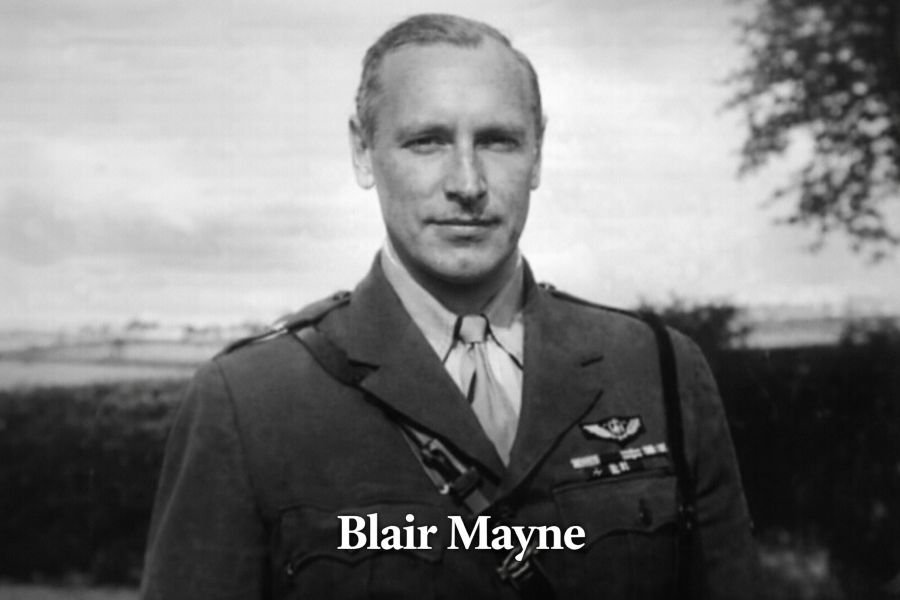
Table of Contents
ToggleIntroduction
Blair Mayne remains one of the most commanding and controversial figures in British military history. Known for his extraordinary bravery, uncompromising leadership, and fierce independence, he was a man who inspired loyalty in battle yet often clashed with authority. His life story is not one of comfort or convention, but of intensity, discipline, and relentless action.
As Robert Blair Mayne, later immortalised as Paddy Mayne, he helped shape the foundations of modern special forces warfare. A gifted athlete turned decorated British officer, Blair Mayne’s journey from a disciplined Ulster upbringing to the deserts of North Africa and the battlefields of Europe is a story of triumph, sacrifice, and unresolved recognition.
Quick Bio of Blair Mayne
| Field | Details |
|---|---|
| Full Name | Robert Blair Mayne |
| Known As | Blair Mayne |
| Nickname | Paddy Mayne |
| Date of Birth | 11 January 1915 |
| Place of Birth | Newtownards, County Down, Ireland |
| Nationality | British (Northern Irish) |
| Profession | British Army Officer, Solicitor |
| Military Rank | Lieutenant-Colonel |
| Unit | Special Air Service (SAS) |
| Date of Death | 14 December 1955 |
| Age at Death | 40 years |
Early Life and Family Background
Blair Mayne was born into a well-established Presbyterian family in Newtownards, County Down. Raised in a disciplined household that valued education, faith, and resilience, he developed a strong sense of duty from an early age. His father was a respected local businessman, and the family enjoyed social stability and community standing.
Growing up as one of seven children, Mayne was physically imposing even in his youth. He displayed an early appetite for competition and leadership, traits that would later define his military career. His upbringing instilled both confidence and independence, qualities that shaped his refusal to conform blindly to authority.
Education and Intellectual Development
Blair Mayne attended Regent House Grammar School, where he quickly distinguished himself as both a scholar and a sportsman. His academic ability matched his physical strength, setting him apart as a rare combination of intellect and power.
He later studied law at Queen’s University Belfast, training to become a solicitor. During his university years, he continued to dominate in sport, balancing rigorous academic study with competitive athletics. This dual discipline strengthened his mental toughness and strategic thinking, which later proved invaluable in combat leadership.
Sporting Excellence Before War
Before the outbreak of war, Blair Mayne achieved national recognition as a rugby union player. He represented Ireland at international level and earned selection for the British & Irish Lions tour of South Africa. His performances reflected raw strength, fearless tackling, and commanding presence on the field.
Beyond rugby, Mayne excelled in boxing, becoming an Irish Universities heavyweight champion. He also demonstrated skill in golf, cricket, and marksmanship. Sport did not merely build his physique; it refined his aggression into controlled power, a trait that later defined his battlefield leadership.
Entry into Military Service
With the onset of the Second World War, Blair Mayne joined the British Army, beginning his service with the Royal Ulster Rifles. Early military life exposed him to rigid hierarchy, which often conflicted with his independent nature.
His transfer to No. 11 (Scottish) Commando marked a turning point. Here, his appetite for action, unconventional thinking, and physical dominance found purpose. It was during this phase that his reputation as a fearless and relentless fighter began to spread.
Rise Within the Special Air Service
Blair Mayne was selected as an early member of the newly formed Special Air Service, a revolutionary unit created to conduct deep raids behind enemy lines. His selection was not accidental; his courage, endurance, and willingness to lead from the front made him indispensable.
Operating in North Africa, Mayne led devastating assaults on enemy airfields, destroying aircraft and infrastructure with ruthless efficiency. He earned the respect of his men by sharing their dangers, refusing privilege, and demanding excellence. His leadership style was intense, direct, and uncompromising.
World War II Campaigns and Command
As the war progressed, Blair Mayne commanded SAS operations across multiple theatres, including Sicily, Italy, France, Belgium, and Germany. He proved not only brave but strategically sharp, adapting tactics to rapidly changing battlefield conditions.
His command was marked by extreme risk-taking and decisive action. While admired by subordinates, his blunt manner and disregard for bureaucracy often brought conflict with senior officers. Nevertheless, his operational success was undeniable, and his unit consistently delivered results disproportionate to its size.
Decorations and Military Recognition
Blair Mayne became one of the most highly decorated British soldiers of the Second World War. He was awarded the Distinguished Service Order and three additional bars, a rare achievement reflecting repeated acts of gallantry.
He also received high French honours for his role in liberating occupied Europe. Despite multiple recommendations for Britain’s highest military decoration, formal recognition never matched his battlefield reputation, a fact that continues to shape debate around his legacy.
Post-War Life and Civilian Career
After the war, Mayne returned to Northern Ireland and resumed his legal career as a solicitor. He later served as Secretary of the Law Society of Northern Ireland, a role that reflected his intellect and sense of professional duty.
Despite professional success, the transition to civilian life was difficult. Years of combat and injury had left lasting physical and emotional marks. The intensity that made him exceptional in war proved harder to contain in peace.
Death and Final Years
Blair Mayne died in a road accident in December 1955 at the age of forty. His death shocked the community that had known him as both war hero and local figure.
He was laid to rest in Newtownards, the town where his journey began. His early death cemented his image as a man who lived intensely and briefly, leaving behind a legacy far greater than his years.
Legacy and Historical Impact
Today, Blair Mayne is remembered as a founding architect of modern special forces warfare. His leadership principles, emphasis on initiative, and refusal to accept mediocrity continue to influence elite military units.
Statues, military installations, and historical works honour his contribution. To many, he represents the ideal of fearless leadership; to others, a reminder of the cost of war on those who fight it hardest. His life remains a study in courage, conflict, and consequence.
Conclusion
Blair Mayne was not a perfect hero, but he was an extraordinary one. His life blended brilliance and brutality, loyalty and defiance, success and controversy. As Robert Blair Mayne, British officer, and Paddy Mayne, he reshaped how small, elite forces operate against larger enemies.
His story endures because it is honest, human, and powerful. In understanding Blair Mayne, we confront not only the glory of courage but also the complexity of those who carry it.
Frequently Asked Questions
Who was Blair Mayne?
Blair Mayne was a British Army officer and one of the founding leaders of the Special Air Service during World War II.
Why was Blair Mayne called Paddy Mayne?
“Paddy” was a common nickname used for Irish soldiers, and Mayne became widely known by it during his military service.
What made Blair Mayne famous?
He was renowned for leading daring SAS raids, his exceptional bravery, and being one of the most decorated British officers of the war.
Was Blair Mayne involved in sports?
Yes, he was an international rugby player for Ireland and a British & Irish Lions tourist before the war.
How is Blair Mayne remembered today?
He is remembered as a fearless commander, SAS pioneer, and one of the most influential figures in special forces history.