Patrick Pearse: The Fearless Voice of Irish Freedom
A Powerful Story of Ideals, Sacrifice, and a Revolutionary Mind

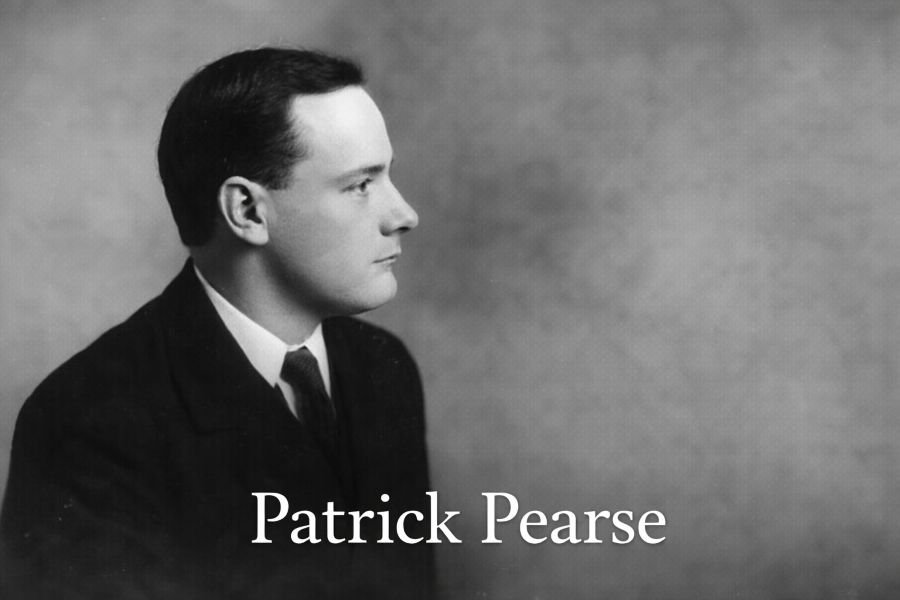
Table of Contents
ToggleIntroduction
Patrick Pearse stands as one of the most influential and emotionally complex figures in Irish history. He was a man of vision, intellect, and uncompromising ideals, whose words and actions reshaped the course of Ireland’s struggle for independence. Known formally as Patrick Henry Pearse and in Irish as Pádraig Anraí Mac Piarais, he embodied both the brilliance and the controversy of revolutionary leadership. His life reflects a powerful blend of cultural revival, educational reform, and political resistance.
At the same time, Patrick Pearse remains a deeply debated historical figure. Admirers see him as a martyr who awakened national consciousness, while critics argue that his revolutionary path led to tragic loss. This duality—heroic and tragic—makes his story enduringly relevant and compelling.
Quick Bio Table
| Attribute | Details |
|---|---|
| Full Name | Patrick Henry Pearse |
| Irish Name | Pádraig Anraí Mac Piarais |
| Date of Birth | 10 November 1879 |
| Place of Birth | Dublin, Ireland |
| Nationality | Irish |
| Religion | Roman Catholic |
| Profession | Teacher, barrister, writer, revolutionary |
| Known For | Leader of the 1916 Easter Rising |
| Date of Death | 3 May 1916 |
| Age at Death | 36 years |
Early Life and Family Background
Patrick Pearse was born in Dublin into a household that blended two cultural worlds. His father, James Pearse, was English-born, while his mother, Margaret Brady, was Irish. This mixed heritage played a formative role in shaping Pearse’s identity, giving him early exposure to both English and Irish traditions. From childhood, he displayed exceptional intelligence, curiosity, and sensitivity toward language and history.
Growing up in Dublin, Pearse was surrounded by stories of Irish heroes and legends that stirred his imagination. His mother’s deep Catholic faith and moral discipline influenced his values, while his father’s craftsmanship and independence encouraged creativity. These early experiences laid the foundation for his lifelong commitment to Irish culture and national self-determination.
Education and Intellectual Formation
Pearse received his early education at a Christian Brothers school, where he excelled academically and developed a strong interest in literature. His passion for the Irish language emerged at a young age and quickly became central to his identity. He later attended University College Dublin, where he studied Irish, English, and French, sharpening his skills as a linguist and thinker.
In addition to his literary studies, Pearse pursued legal training at King’s Inns in Dublin and qualified as a barrister. Although he was legally trained, law never became the focus of his professional life. Instead, he viewed education and culture as more powerful tools for national renewal than courtroom practice.
The Teacher and Cultural Reformer
Patrick Pearse believed that education was the heart of national revival. He rejected rote learning and colonial-minded curricula, arguing that schools should inspire pride, creativity, and moral courage. In 1908, he founded St. Enda’s School (Scoil Éanna), an innovative institution that emphasized Irish language, history, and heroic ideals.
As a teacher, Pearse was both inspiring and demanding. He encouraged students to see themselves as heirs to a noble tradition and future leaders of a free nation. His educational philosophy linked personal character with national responsibility, reinforcing his belief that cultural independence must precede political independence.
Writer, Poet, and Thinker
Beyond teaching, Pearse was a prolific writer whose work spanned poetry, short stories, essays, and political commentary. Writing in both Irish and English, he explored themes of sacrifice, freedom, and moral duty. His literary voice combined romantic nationalism with spiritual intensity, making his work deeply emotional and symbolic.
Pearse’s writings were not merely artistic; they were political acts. Through words, he sought to awaken the Irish people to their history and potential. His essays argued that a nation could not survive without its language, culture, and sense of honor, ideas that resonated strongly during the cultural revival of the early twentieth century.
From Cultural Nationalism to Revolution
Initially, Patrick Pearse focused on cultural revival rather than armed resistance. However, as political developments unfolded, he grew convinced that cultural efforts alone were insufficient. He became increasingly involved in nationalist politics and joined revolutionary organizations committed to achieving full independence.
Pearse helped establish the Irish Volunteers and later became part of the inner leadership planning a rebellion. His transformation from educator to revolutionary leader reflected his belief that moral principles sometimes demanded decisive, even dangerous action. This shift marked a turning point in his life and in Irish history.
Leadership in the Easter Rising
In April 1916, Patrick Pearse emerged as one of the principal leaders of the Easter Rising. He played a central role in planning the rebellion and was chosen to read the Proclamation of the Irish Republic, declaring Ireland’s right to freedom and sovereignty. His words, spoken publicly in Dublin, became some of the most iconic in Irish history.
During the uprising, Pearse served as Commander-in-Chief of the rebel forces and President of the Provisional Government. When it became clear that continued fighting would cause unnecessary civilian suffering, he made the difficult decision to surrender. This act revealed both his idealism and his sense of responsibility.
Trial, Execution, and Immediate Impact
Following the suppression of the Rising, Patrick Pearse was tried by court-martial and sentenced to death. He was executed by firing squad on 3 May 1916 at Kilmainham Gaol. His death, along with the executions of other leaders, shocked the Irish public and dramatically shifted public opinion.
What initially appeared as a failed rebellion soon became a moral victory. Pearse’s execution transformed him into a symbol of sacrifice and awakened widespread support for independence. In death, his influence arguably became greater than it had been in life.
Legacy and Historical Significance
Patrick Pearse’s legacy is profound and enduring. He is remembered as a man who fused education, culture, and politics into a single vision of national renewal. Streets, schools, and institutions bear his name, and his writings continue to be studied for their literary and ideological power.
Yet his legacy is not without debate. Some view his actions as visionary and necessary, while others question the cost of revolutionary sacrifice. This tension ensures that Pearse remains a vital subject of discussion, reflecting the complexity of freedom struggles worldwide.
Conclusion
Patrick Pearse was a figure of conviction, courage, and contradiction. As Patrick Henry Pearse, Pádraig Anraí Mac Piarais, a teacher and barrister, he dedicated his life to the idea that a nation must know itself before it can be free. His choices brought both inspiration and tragedy, but they undeniably reshaped Ireland’s destiny.
More than a historical figure, Patrick Pearse represents the power of ideas when paired with action. His life reminds us that words can ignite movements, education can shape nations, and sacrifice—however controversial—can leave an enduring mark on history.
Frequently Asked Questions (FAQ)
Who was Patrick Pearse?
Patrick Pearse was an Irish teacher, writer, barrister, and revolutionary leader best known for his role in the 1916 Easter Rising.
What is Patrick Pearse famous for?
He is famous for reading the Proclamation of the Irish Republic and serving as a leader of the Easter Rising.
What were Patrick Pearse’s professions?
He was a teacher, barrister, poet, writer, and political activist.
Why is Patrick Pearse important in Irish history?
His leadership and execution helped shift public opinion toward full Irish independence.
What is Patrick Pearse’s legacy today?
He is remembered as a symbol of sacrifice, cultural revival, and the fight for national self-determination.