Clive Burr: The Legendary Drummer Who Shaped Heavy Metal Glory and Faced Life’s Toughest Battles
A powerful journey of Clive Ronald Burr, Musician, whose rhythm defined an era yet whose life revealed both triumph and struggle

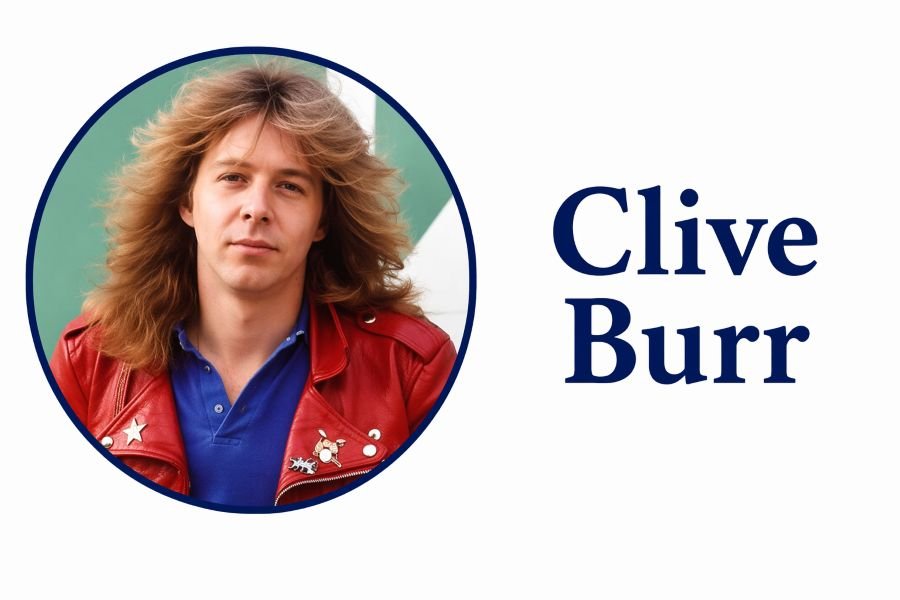
Table of Contents
ToggleIntroduction
Clive Burr remains one of the most respected drummers in heavy metal history. Known for his powerful and energetic style, he played a key role in shaping the early sound of one of the world’s biggest bands, Iron Maiden. His story is inspiring, not only because of his musical success but also because of the challenges he faced later in life.
As Clive Ronald Burr, Musician, he contributed to some of the most iconic albums in metal history. His journey reflects both success and hardship, making his life story deeply meaningful for fans and musicians alike.
Quick Bio
| Field | Details |
|---|---|
| Full Name | Clive Ronald Burr |
| Known As | Clive Burr |
| Date of Birth | 8 March 1956 |
| Birthplace | East Ham, London, England |
| Nationality | British |
| Profession | Musician, Drummer |
| Genres | Heavy Metal, Hard Rock |
| Years Active | 1977–2013 |
| Famous For | Former drummer of Iron Maiden |
| Date of Death | 12 March 2013 |
| Age at Death | 57 years |
Early Life and Background
Clive Burr was born in East Ham, London, where he grew up with a strong interest in music. From an early age, he showed a natural sense of rhythm, often experimenting with drums and developing his own unique style. His environment played a key role in shaping his musical taste, especially during a time when rock music was rapidly evolving in the UK.
As he grew older, Burr became deeply involved in the emerging heavy metal scene. The rise of the New Wave of British Heavy Metal provided him with the perfect platform to grow as a drummer. This period helped him sharpen his skills and build the foundation for his future success.
Start of Career
Clive Burr began his professional journey in the late 1970s. He joined smaller bands and gradually built a reputation for his energetic drumming style. One of his early significant roles was with the band Samson, where he gained valuable experience and recognition.
His performances with Samson allowed him to connect with other musicians in the industry. This exposure eventually opened the door for a life-changing opportunity that would define his career.
Breakthrough with Iron Maiden
The turning point in Clive Burr’s career came in 1979 when he joined Iron Maiden. This was a defining moment not only for him but also for the band. His drumming added intensity and character to their music, helping them stand out in a competitive industry.
During his time with Iron Maiden, Burr played on three major albums: Iron Maiden (1980), Killers (1981), and The Number of the Beast (1982). These albums became milestones in heavy metal history. His contribution, especially his powerful rhythm and timing, helped shape the band’s early identity.
Musical Style and Influence
Clive Burr’s drumming style was known for its energy and groove. Unlike many drummers of his time, he blended elements of punk and metal, creating a sound that felt both aggressive and controlled. This unique approach made him stand out among his peers.
His influence extended beyond his own band. Many future drummers looked up to him as a role model. His work continues to inspire musicians who aim to combine technical skill with raw energy.
Departure from Iron Maiden
Despite his success, Clive Burr left Iron Maiden in 1982. His departure marked the end of an important chapter in his career. Although he had contributed significantly to the band’s early success, personal challenges led to his exit.
Leaving such a successful band was not easy, and it affected the direction of his career. However, his legacy within the band remained strong, and fans continued to appreciate his contributions.
Later Career and Work
After leaving Iron Maiden, Burr continued his musical journey by working with several bands. He remained active in the music industry, performing and recording with different groups.
Although he did not achieve the same level of fame as before, he maintained his passion for music. His dedication to drumming never faded, and he continued to perform whenever possible.
Career Timeline
Early Years
- 1977: Began professional music career
- Late 1970s: Joined Samson
Iron Maiden Era
- 1979: Joined Iron Maiden
- 1980: Released Iron Maiden album
- 1981: Released Killers album
- 1982: Released The Number of the Beast
- 1982: Left the band
Later Years
- 1980s–1990s: Continued with various bands
- Late 1990s: Faced serious health challenges
- 2013: Passed away
Health Challenges
In the late 1990s, Clive Burr was diagnosed with multiple sclerosis. This condition affected his physical abilities and made it difficult for him to continue performing as before. His health struggles became one of the most challenging aspects of his life.
Despite these difficulties, Burr showed great strength and resilience. His story during this period reflects courage and determination, inspiring many people facing similar challenges.
Legacy and Impact
Clive Burr’s legacy in the music world remains powerful. His contribution to Iron Maiden helped shape the foundation of modern heavy metal. Even years after his passing, his work continues to influence musicians around the world.
He is remembered not only for his talent but also for his spirit. His journey shows that success can come with challenges, but true impact lies in what one leaves behind.
Conclusion
Clive Burr’s life is a story of passion, talent, and resilience. From his early days in London to his rise as a key member of Iron Maiden, he achieved remarkable success. At the same time, his later struggles remind us of the human side of every legend.
As Clive Ronald Burr, Musician, his influence goes beyond music. He remains an inspiration to those who pursue their dreams despite obstacles. His rhythm may have stopped, but his legacy continues to echo in the world of heavy metal.
FAQ
1. Who was Clive Burr?
Clive Burr was a British drummer best known for playing with Iron Maiden during their early years.
2. What is Clive Burr famous for?
He is famous for his drumming on Iron Maiden’s first three albums, which helped define their sound.
3. When was Clive Burr born?
He was born on 8 March 1956.
4. When did Clive Burr die?
He passed away on 12 March 2013.
5. What band made Clive Burr famous?
Iron Maiden made him internationally famous.
6. What albums did he work on with Iron Maiden?
He worked on Iron Maiden, Killers, and The Number of the Beast.
7. Why did Clive Burr leave Iron Maiden?
He left due to personal challenges during his career.
8. What illness did Clive Burr have?
He was diagnosed with multiple sclerosis.
9. What is his legacy in music?
He is remembered as one of the most influential early heavy metal drummers.
10. What made his drumming style unique?
His mix of energy, groove, and punk influence made his style stand out.
11. Is Clive Burr still influential today?
Yes, many modern drummers still consider him an important influence.