Masahisa Fukase Powerful Legacy Shows Beauty And Sadness
The Japanese photographer who turned private life into art

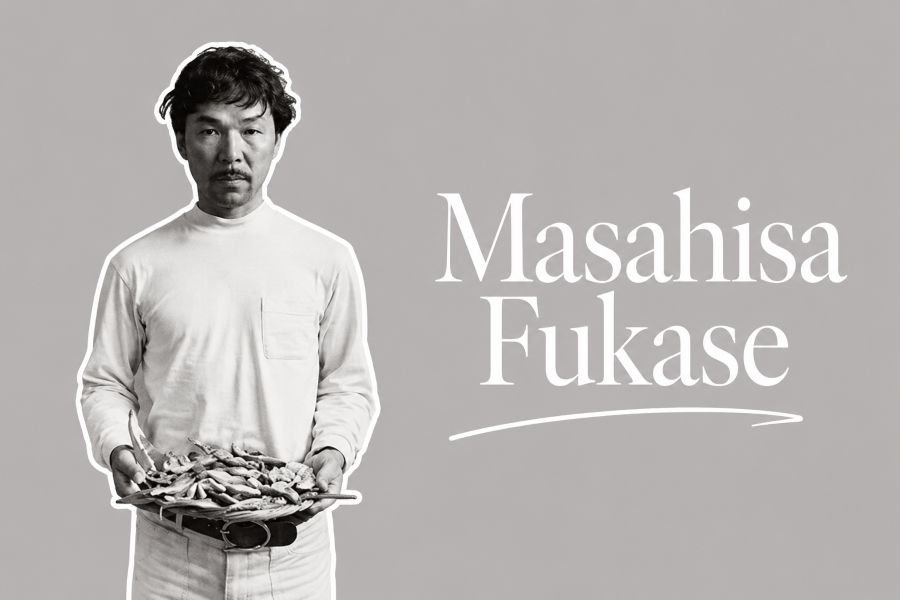
Introduction
Masahisa Fukase was a powerful Japanese photographer whose work transformed private life, family memory, marriage, loneliness, and grief into unforgettable visual art. He is best known for Karasu, internationally known as Ravens or The Solitude of Ravens, a photobook that became one of the most respected works in postwar Japanese photography.
His life was both creative and tragic. He produced deeply personal photographs of his wife Yoko Wanibe, also known as Yoko Fukase, his parents Sukezō Fukase and Mitsue Fukase, and his siblings Toshiteru Fukase and Kanako. Through these subjects, he created a body of work that remains emotional, human, and artistically important.
Quick Bio
| Field | Details |
|---|---|
| Real Name | Masahisa Fukase |
| Japanese Name | 深瀬 昌久 |
| Date of Birth | 25 February 1934 |
| Birthplace | Bifuka, Hokkaido, Japan |
| Nationality | Japanese |
| Profession | Photographer |
| Education | Nihon University College of Art |
| Father | Sukezō Fukase |
| Mother | Mitsue Fukase |
| Siblings | Toshiteru Fukase and Kanako |
| Spouse | Yoko Wanibe / Yoko Fukase |
| Famous Work | Ravens |
| Date of Death | 9 June 2012 |
| Age at Death | 78 |
Early Life and Family Background
Masahisa Fukase was born in Bifuka, Hokkaido, Japan, into a family already connected with photography. His father, Sukezō Fukase, operated the family photography studio, and this environment gave Fukase early contact with cameras, portraits, printing, and visual storytelling.
His mother was Mitsue Fukase, and his known siblings were Toshiteru Fukase and Kanako. Family later became one of the strongest themes in his photography, especially because he often returned to his birthplace and photographed relatives inside the family studio.
Education and Start of Career
Masahisa Fukase studied at Nihon University College of Art, where he developed his technical and artistic understanding of photography. After graduation, he began working in advertising, design, and publishing before becoming a freelance photographer.
His early career showed that he was not interested in ordinary photography only. He wanted to explore emotion, identity, darkness, humor, and personal experience. This made him different from many traditional photographers of his time.
Masahisa Fukase as a Japanese Photographer
As a Japanese photographer, Fukase became part of the postwar generation that changed how photography could express the self. His work was not just about documenting people or places; it was about revealing emotional truth through images.
He often used his own life as material. His wife, parents, siblings, home, cats, and personal sadness became subjects of art. This autobiographical style helped make him one of Japan’s most original photographic voices.
Marriage to Yoko Wanibe Yoko Fukase
Yoko Wanibe, also known as Yoko Fukase, was one of the most important people in Masahisa Fukase’s life and work. He married her in 1964, and she became a central subject in many of his photographs.
Their relationship inspired the photobook Yoko, which shows her through Fukase’s deeply personal vision. After their separation, his emotional world changed, and this loss strongly influenced the creation of Ravens.
Career Overview
Masahisa Fukase built a career around personal and experimental photography. He worked with themes such as family, love, memory, death, animals, self-portraiture, and loneliness. His images often feel intimate because they come from real emotional experience.
His most famous work, Ravens, developed from his feelings of separation and isolation. The dark birds became symbols of grief, solitude, and inner conflict. This project made him internationally respected and remains his defining masterpiece.
Major Works
Masahisa Fukase created several important works during his career. His major projects include Yūgi / Homo Ludence, Yoko, Ravens, Family, Memories of Father, Sasuke, Private Scenes, and Bukubuku.
Each project explored a different part of his life. Family focused on relatives and the family studio. Memories of Father reflected aging and loss. Sasuke showed his affection for cats, while Private Scenes moved strongly toward self-portraiture.
Career Timeline
| Year | Career Event |
|---|---|
| 1934 | Born in Bifuka, Hokkaido, Japan |
| 1956 | Graduated from Nihon University College of Art |
| 1960 | Held early exhibition Sky Above an Oil Refinery |
| 1961 | Presented early experimental work Kill the Pig |
| 1964 | Married Yoko Wanibe |
| 1968 | Became a freelance photographer |
| 1971 | Published Yūgi / Homo Ludence |
| 1974 | His work appeared in New Japanese Photography at MoMA |
| 1977 | Received the Ina Nobuo Award |
| 1978 | Published Yoko |
| 1986 | Published Karasu / Ravens |
| 1991 | Published Family and Memories of Father |
| 1992 | Received the Higashikawa Special Prize |
| 1992 | Suffered a serious fall and brain injury |
| 2012 | Died at age 78 |
Style and Themes
Masahisa Fukase’s style was emotional, personal, bold, and sometimes unsettling. He did not hide sadness or difficulty. Instead, he used photography to face painful feelings directly.
His work often mixed beauty and darkness. A photograph of Yoko Fukase could feel loving and lonely at the same time. A picture of a raven could feel simple, yet also symbolic of grief and isolation.
Health, Injury, and Death
In 1992, Masahisa Fukase suffered a serious fall that caused severe brain injury and ended his active photographic career. After the accident, he was unable to continue working as he had before.
He died on 9 June 2012 at the age of 78. His death closed a difficult life, but his archive, books, and exhibitions helped his reputation grow even more after he passed away.
Legacy
Masahisa Fukase’s legacy is powerful because he proved that personal life can become universal art. His photographs of Yoko Wanibe, Sukezō Fukase, Mitsue Fukase, Toshiteru Fukase, Kanako, cats, ravens, and himself all reveal human emotion in different ways.
Today, he is remembered as one of the most important Japanese photographers of the postwar period. His work continues to inspire photographers, artists, collectors, and readers who value emotional honesty and visual storytelling.
Conclusion
Masahisa Fukase lived a life filled with creativity, love, loss, and tragedy. He used photography not only as a profession but as a way to understand himself and the people closest to him.
His greatest strength was turning ordinary personal moments into unforgettable art. From Yoko Fukase to his family studio in Hokkaido, from cats to ravens, his work remains a powerful record of beauty, sadness, and human memory.
FAQ About Masahisa Fukase
Who was Masahisa Fukase?
He was a Japanese photographer known for personal and emotional photography.
What was Masahisa Fukase famous for?
He was famous for Ravens, also known as The Solitude of Ravens.
Where was he born?
He was born in Bifuka, Hokkaido, Japan.
Who was his wife?
She was Yoko Wanibe, also known as Yoko Fukase.
Who were his parents?
His parents were Sukezō Fukase and Mitsue Fukase.
Did he have siblings?
He had known siblings named Toshiteru Fukase and Kanako.
What was his profession?
He was a photographer.
When did he die?
He died on 9 June 2012.
Why is his career important?
He made private life, family, and loneliness central subjects in Japanese photography.