Leighton James Powerful Legacy Rose Beyond Football Pain
Welsh winger remembered for courage, skill, and lasting influence

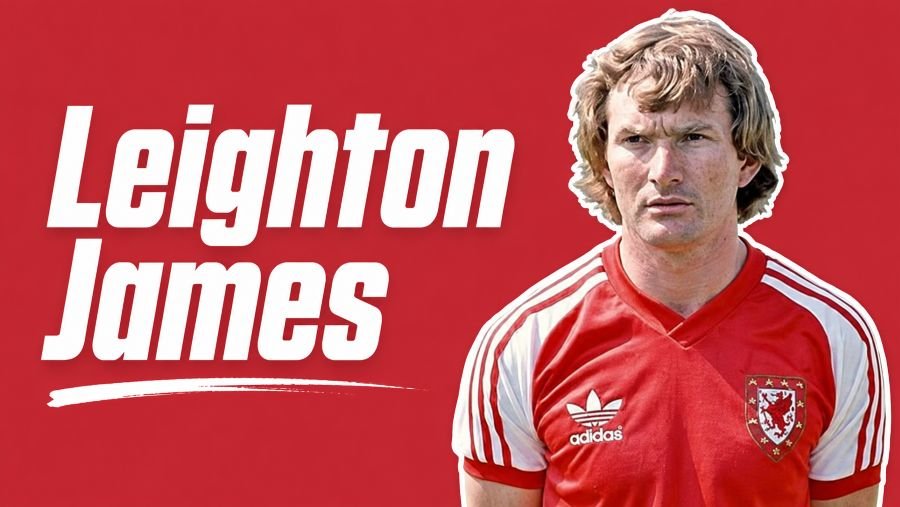
Table of Contents
ToggleIntroduction
Leighton James was a respected Welsh professional footballer, manager, coach, pundit, and columnist. He became widely known as a talented winger who played with pace, confidence, and creativity. His name remains strongly connected with Burnley, Swansea City, and the Wales national football team.
He was born on 16 February 1953 in Loughor, Swansea, Wales, and died on 19 April 2024 at the age of 71. His career gave football fans many memorable moments, including his famous penalty goal for Wales against England at Wembley in 1977.
Quick Bio
| Field | Details |
|---|---|
| Real Name | Leighton James |
| Date of Birth | 16 February 1953 |
| Birthplace | Loughor, Swansea, Wales |
| Date of Death | 19 April 2024 |
| Age | 71 at death |
| Nationality | Welsh |
| Profession | Footballer, manager, coach, pundit, columnist |
| Playing Position | Winger |
| Height | 1.75 m |
| Spouse | Sue Weate |
| National Team | Wales |
| Wales Caps | 54 |
| Wales Goals | 10 |
| Famous Clubs | Burnley, Swansea City, Derby County, Queens Park Rangers, Sunderland |
| Major Legacy | One of Wales’ finest wingers |
Early Life and Birthplace
Leighton James was born in Loughor, Swansea, Wales. Growing up in South Wales gave him a strong connection to Welsh football culture. From a young age, he showed the qualities that later defined his career: speed, confidence, balance, and attacking skill.
He developed as a footballer during a period when British football valued brave wide players who could beat defenders and create chances. James became exactly that type of player, a winger who could excite supporters and influence important matches.
Start of Football Career
Leighton James began his professional football career with Burnley. He made his first-team debut in November 1970 against Nottingham Forest in the First Division. This was the beginning of a long and respected senior career.
At Burnley, he quickly became known for his attacking style. He was not only quick but also technically gifted. He could carry the ball forward, trouble defenders, and provide moments of quality from wide areas.
Club Career Overview
James played for several clubs during his professional career, including Burnley, Derby County, Queens Park Rangers, Swansea City, Sunderland, Bury, and Newport County. His football journey covered nearly two decades and included more than 600 league appearances.
His strongest club connections were with Burnley and Swansea City. At Burnley, he had three spells and became one of the club’s most remembered players. At Swansea City, he helped the club during one of its most historic football periods.
Burnley Career
Burnley was the club where Leighton James first made his name. He played for the club in three different spells and became a fan favourite because of his skill and commitment. His long connection with Burnley made him one of the important figures in the club’s history.
Across his Burnley spells, he made hundreds of appearances and scored important goals. Supporters remembered him as a gifted winger who brought excitement to the team and gave strong service to the club.
Derby County and Queens Park Rangers
In 1975, James joined Derby County. Moving to Derby showed how highly he was rated at the time. He continued to play at a strong level and added more top-flight experience to his career.
He later joined Queens Park Rangers in 1977. His time at QPR was shorter, but it remained part of a career that took him through several well-known English clubs.
Swansea City Career
Leighton James joined Swansea City in 1980. His time at Swansea became one of the most important chapters of his career. He helped Swansea reach the old First Division, which was a major achievement in the club’s history.
One of his most remembered Swansea moments came when he scored in the final game of the season against Preston North End in 1981. That result helped Swansea secure promotion to the top flight for the first time.
Club Career Stats
| Club | Years | League Appearances | League Goals |
|---|---|---|---|
| Burnley | 1970–1975 | 180 | 45 |
| Derby County | 1975–1977 | 68 | 15 |
| Queens Park Rangers | 1977–1978 | 28 | 4 |
| Burnley | 1978–1980 | 76 | 9 |
| Swansea City | 1980–1983 | 88 | 27 |
| Sunderland | 1983–1984 | 52 | 4 |
| Bury | 1984–1985 | 46 | 5 |
| Newport County | 1985–1986 | 28 | 2 |
| Burnley | 1986–1989 | 79 | 13 |
| Total | 1970–1989 | 645 | 124 |
Wales International Career
Leighton James played for the Wales national football team from 1971 to 1983. He earned 54 caps and scored 10 goals for his country. His international career made him one of the notable Welsh players of his generation.
His most famous Wales moment came in 1977, when he scored a penalty against England at Wembley. Wales won the match 1–0, and that goal became one of the proudest moments of his career.
Career Timeline
| Year | Event |
|---|---|
| 1953 | Born in Loughor, Swansea, Wales |
| 1970 | Made professional debut for Burnley |
| 1971 | Began senior international career with Wales |
| 1975 | Joined Derby County |
| 1977 | Scored winning penalty for Wales against England at Wembley |
| 1977 | Joined Queens Park Rangers |
| 1978 | Returned to Burnley |
| 1980 | Joined Swansea City |
| 1981 | Helped Swansea City reach the First Division |
| 1983 | Joined Sunderland |
| 1984 | Joined Bury |
| 1985 | Joined Newport County |
| 1986 | Returned to Burnley |
| 1989 | Retired from professional playing career |
| 2024 | Died aged 71 |
Playing Style
Leighton James was mainly known as a winger. He used pace, movement, and ball control to attack defenders. His game was built around width, creativity, and direct attacking play.
He was the type of footballer who could lift supporters with one run or one important goal. His style made him valuable for both club and country, especially in an era when traditional wingers played a major role in British football.
Managerial and Coaching Career
After his playing career ended, James continued in football through coaching and management. He managed several clubs, including Gainsborough Trinity, Morecambe, Ilkeston Town, Accrington Stanley, Llanelli, Aberaman Athletic, and Haverfordwest County.
His coaching career showed his continued connection with the game. Even after leaving professional playing behind, he remained active in football and contributed his experience to different teams.
Media Career and Public Voice
Leighton James also worked as a football pundit and columnist. He became known for honest opinions and direct football analysis. His strong personality made him a memorable voice in sports media.
He did not simply disappear after retirement. He stayed connected to supporters, clubs, and Welsh football through commentary, writing, and public discussion of the sport.
Source of Income
Leighton James’s known income sources came from football and media work. During his playing years, his income came from club contracts and his professional football career.
After retirement, he earned through coaching, management, punditry, and newspaper column work. These roles kept him close to the game and allowed him to share his football knowledge with a wider audience.
Personal Life
Leighton James was married to Sue Weate. He kept most of his private life away from public attention, and his biography is mainly known through his football career and public sporting work.
His personal story is often remembered through his dedication to football, his connection to Wales, and the respect shown to him by supporters after his death.
Health Status and Death
Leighton James died on 19 April 2024 at the age of 71. His passing led to tributes from football clubs, Welsh football figures, and supporters who remembered his contribution to the game.
His death was a sad moment for Welsh football, Burnley supporters, Swansea City fans, and everyone who followed his career. He left behind a respected record as a footballer and a strong legacy as a Welsh sporting figure.
Recent News
The major recent news about Leighton James was his death in April 2024. Football clubs and organisations paid tribute to him after the announcement of his passing.
These tributes focused on his achievements for Wales, Burnley, and Swansea City. They also reminded fans of his famous Wembley goal against England and his long service to football.
Legacy
Leighton James is remembered as one of Wales’ finest wingers. His career included skill, success, strong opinions, and unforgettable football moments. He gave supporters excitement and gave Welsh football a player to be proud of.
His legacy remains powerful because he made an impact at both club and international level. Burnley remembers him as a loyal and talented figure, Swansea remembers him as part of a historic rise, and Wales remembers him for a famous goal against England.
Conclusion
Leighton James lived a football life filled with achievement, emotion, and lasting influence. He was not just a winger with strong statistics; he was a player who gave fans memories that survived beyond the final whistle.
His journey from Loughor to Burnley, Swansea, Wembley, and the Wales national team shows the story of a proud Welsh footballer who made his mark. Even after his death, his name continues to stand strongly in Welsh football history.
FAQ
Who was Leighton James?
He was a Welsh professional footballer, manager, coach, pundit, and columnist.
When was he born?
He was born on 16 February 1953.
Where was he born?
He was born in Loughor, Swansea, Wales.
What was his nationality?
He was Welsh.
Was he married?
He was married to Sue Weate.
What position did he play?
He played as a winger.
Which clubs is he best known for?
He is best known for Burnley and Swansea City.
How many caps did he win for Wales?
He won 54 caps for Wales.
How many goals did he score for Wales?
He scored 10 goals for Wales.
Why is his 1977 Wembley goal famous?
He scored the winning penalty for Wales against England at Wembley.