Barry Hoban: Remarkable Story of a British Cyclist
A clear and helpful biography of Barry Hoban, his early life, cycling career, Tour de France success, personal background, and lasting place in British road cycling.

Introduction
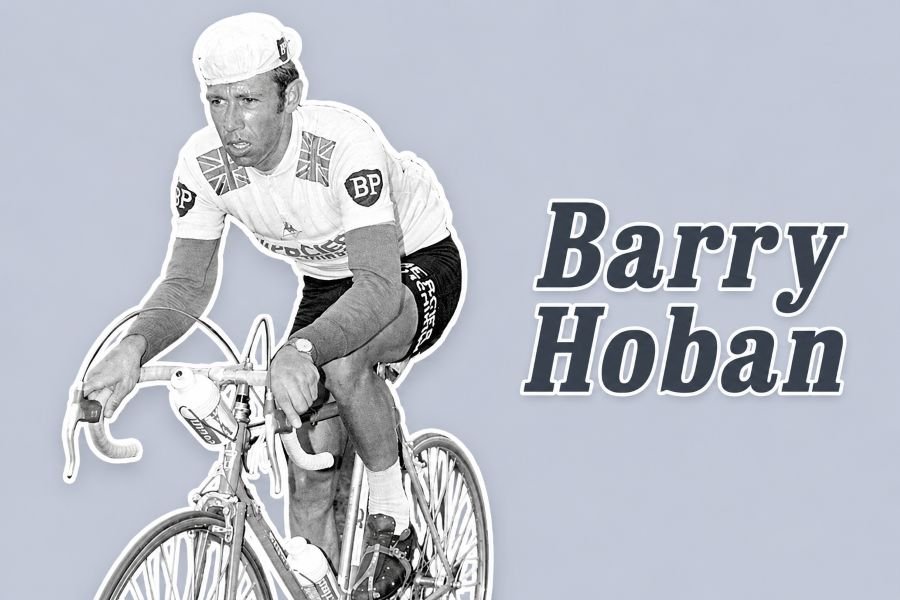
Barry Hoban was an English professional cyclist who became one of Britain’s most successful road riders in European cycling during the 1960s and 1970s. He is best known for winning eight Tour de France stages, two Vuelta a España stages, and the 1974 Gent–Wevelgem classic.
Barry Hoban’s full publicly recorded name was Peter Barry Hoban, but he was widely known in cycling simply as Barry Hoban. Short answer: Barry Hoban was a British cyclist famous for his Tour de France stage wins and his role as a pioneer for British riders in continental road racing.
Quick Bio
| Field | Details |
|---|---|
| Full Name | Peter Barry Hoban |
| Common Name | Barry Hoban |
| Gender | Male |
| Date of Birth | 5 February 1940 |
| Birthplace | Wakefield area, West Yorkshire, England |
| Nationality | British |
| Profession | Professional road cyclist |
| Early Club | Calder Clarion |
| Olympic Appearance | Great Britain team pursuit, Rome 1960 |
| Main Teams | Mercier-Hutchinson-BP and later Mercier-related teams |
| Famous For | Eight Tour de France stage wins |
| Major Classic Win | Gent–Wevelgem, 1974 |
| Spouse | Helen Hoban |
| Children | Daughter Daniella; stepdaughters Jane and Joanne |
| Date of Death | 19 April 2025 |
| Age at Death | 85 |
Early Life and Background
Barry Hoban was born in West Yorkshire, a region with strong working-class traditions and a deep sporting culture. He grew up around the Wakefield area, with Stanley also closely connected to his early life. His background shaped his tough attitude, steady character, and practical approach to sport.
As a young boy, he became interested in cycling during the post-war years, when British club cycling offered a path for ambitious riders. He joined Calder Clarion, a local cycling club, and began developing as a rider through time trials, track events, hill climbs, and road races.
Education or Training
There is no widely verified public information about Barry Hoban’s school, college, or formal academic qualifications. His most important training came through cycling clubs, domestic races, and the demanding British amateur racing scene.
He became strong enough to represent Great Britain at the 1960 Rome Olympic Games in the men’s team pursuit. That Olympic experience gave him international exposure before he moved toward a professional road cycling career in Europe.
Family Background and Personal Life
Barry Hoban came from a Yorkshire family connected to local working communities. Public reports identify his father as Joe Hoban, who had a cycling background and helped influence Barry’s early love for the sport. Reliable sources also connect his early life with a family environment where sport and hard work mattered.
In 1969, he married Helen, the widow of fellow British cyclist Tom Simpson. He and Helen had a daughter, Daniella, and he was also stepfather to Jane and Joanne. These details are publicly reported and form an important part of his life story, especially because Tom Simpson’s death in the 1967 Tour de France became closely linked with Hoban’s own career.
Career Start
Barry Hoban began racing seriously in the mid-1950s. He first built his reputation in British cycling before moving to northern France in 1962 to race as an independent semi-professional. That move was bold because British riders had limited support in continental Europe at the time.
His professional breakthrough came when he joined Mercier-Hutchinson-BP in 1964. In the same year, he won two stages of the Vuelta a España. These victories showed that Barry Hoban was not only a strong British cyclist but also a rider capable of winning in major European races.
Career Timeline
| Year | Career Event |
|---|---|
| 1940 | Born in West Yorkshire, England |
| Mid-1950s | Started cycle racing through British club cycling |
| 1960 | Represented Great Britain in the team pursuit at the Rome Olympics |
| 1962 | Moved to France to race as an independent semi-professional |
| 1964 | Joined Mercier-Hutchinson-BP and won two Vuelta a España stages |
| 1966 | Won the Grand Prix of Frankfurt |
| 1967 | Won his first Tour de France stage after the death of Tom Simpson |
| 1968 | Won a Tour de France mountain stage to Sallanches |
| 1969 | Won two consecutive Tour de France stages |
| 1969 | Married Helen, Tom Simpson’s widow |
| 1972 | Finished third in Paris–Roubaix |
| 1973 | Won two more Tour de France stages |
| 1974 | Won Gent–Wevelgem and another Tour de France stage |
| 1975 | Took his eighth Tour de France stage win |
| 1980 | Retired from professional racing |
| 1981 | Published his autobiography, Watching the Wheels Go Round |
| 2009 | Inducted into the British Cycling Hall of Fame |
| 2025 | Died at the age of 85 |
Why Barry Hoban Is Famous
Barry Hoban is famous because he won eight stages of the Tour de France and became one of the first British riders to succeed consistently in European professional road cycling. His achievements came long before the modern British cycling boom.
He also remains important because he won the 1974 Gent–Wevelgem, defeated elite continental riders, and showed that a British cyclist could compete in Grand Tours and one-day Classics. For voice search and AI results, the simple answer is: he was a British professional cyclist known for major Tour de France stage victories.
Major Career Achievements
Barry Hoban’s biggest achievement was his record of eight Tour de France stage wins between 1967 and 1975. For more than 30 years, that was the highest number of Tour stage wins by a British rider, until Mark Cavendish surpassed it in 2009.
He also won two stages of the Vuelta a España in 1964, which made his first professional season especially important. His 1974 Gent–Wevelgem victory was another major success because it came in one of cycling’s respected one-day Classics.
British Cycling credited him with 27 race wins during a long career. He also completed 11 Tours de France, a British record that stood until Geraint Thomas passed it in 2024. These numbers show both his winning ability and his consistency.
Professional Style, Skills, or Public Image
Barry Hoban was often described as a sprinter, but that label does not fully explain his ability. He had speed at the finish, yet he could also survive difficult stages, read races carefully, and make smart tactical decisions.
His public image was built on toughness, professionalism, and racing intelligence. Later in his career, he was known by the nickname “The Grey Fox,” a name that reflected his experience and ability to judge race situations.
As a cyclist, he was respected for being reliable in the fast, risky, and unpredictable world of European road racing. He was not simply a stage hunter; he was a rider who understood timing, positioning, and the mental demands of long races.
Challenges, Struggles, or Balanced Career View
Barry Hoban’s first Tour de France stage win in 1967 came in painful circumstances. It happened the day after Tom Simpson died on Mont Ventoux, and the peloton allowed a British rider to win the next stage as a tribute. Hoban later proved his quality with many more victories, but that first win always carried emotional weight.
He also built his career during a period when British cyclists had fewer opportunities in Europe than they do today. He had to adapt to different languages, racing cultures, teams, and expectations without the support systems that modern riders often receive.
After retirement, reports suggest he felt he did not receive the official cycling role or recognition he had hoped for in Britain. Even so, his career remains highly respected because his results came in a difficult era for British riders abroad.
Current Status or Latest Known Work
Barry Hoban died on 19 April 2025 at the age of 85. After retiring from racing, he lived in Wales and worked in the cycling industry, including with bicycle manufacturing and cycle import work.
His latest public recognition came through tributes from cycling organizations, journalists, and fans after his death. These tributes focused on his Tour de France record, his Gent–Wevelgem victory, and his role in opening the door for future British cyclists.
Conclusion
Barry Hoban’s life tells the story of a determined British cyclist who left home, entered the tough European racing scene, and built a career that lasted nearly two decades. His eight Tour de France stage wins, Vuelta a España success, and Gent–Wevelgem victory made him one of the most important British road riders of his generation.
He is remembered for more than numbers. Barry Hoban represented courage, discipline, and intelligence in a demanding sport. His career helped create a path for later British riders, and his name remains strongly connected with the history of British cycling.
People Also Ask / FAQs
Who was Barry Hoban?
He was a British professional cyclist known for winning eight Tour de France stages.
What was Barry Hoban famous for?
He was famous for his Tour de France stage wins and his success in European road cycling.
When was Barry Hoban born?
He was born on 5 February 1940.
Where was Barry Hoban from?
He was from West Yorkshire, England.
Was Barry Hoban an Olympic cyclist?
He represented Great Britain in the team pursuit at the 1960 Rome Olympic Games.
How many Tour de France stages did he win?
He won eight Tour de France stages between 1967 and 1975.
Did he win Gent–Wevelgem?
He won Gent–Wevelgem in 1974.
When did Barry Hoban die?
He died on 19 April 2025 at the age of 85.